With winter well and truly set in, dogs feel the cold and are just as sensitive to weather changes as we are. There are various factors that will affect how dogs cope with dropping temperatures and icy mornings such as their breed, size, age and coat thickness. Puppies, seniors and those with health conditions (especially those with arthritis or joint problems) are more vulnerable and may need some added protection as they may be particularly sensitive to the cold.
Tips for walking
Shorter walks: can be helpful for our furry friends (unless you have a husky in which they are probably in their element!), especially if those walks are wet, or icy and you notice your dog starting to shiver. Some dogs hesitate to want to go to the toilet if there is a covering of snow or ice, so ensuring you find a nice, sheltered spot and rewarding them afterwards can help with their confidence and keeping it positive about braving the cold!
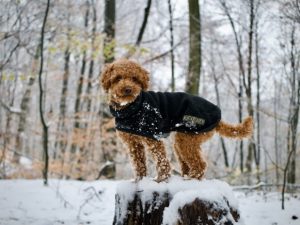
Coats and/or fleeces: You may want to consider waterproof or fleece coats on those chilly walks too but remember to take them off when back inside so there is no risk of them overheating!
Some breeds like greyhounds, boxers and Vizslas lack insulating far and don’t have a dense undercoat to retain heat as effectively as others. Below 10 degrees, they may need an extra layer to prevent any heat loss and muscle stiffness on cold walks.
Older dogs with joint issues can become more painful in the cold due to reduced circulation and tightened muscles so will benefit from a good quality coat. This will hopefully improve mobility on walks.
Small toy breeds can lose core heat faster, so a well fitted coat will help!
Just because the days are shorter and walks may be reduced however, it doesn’t have to mean less exercise! There are lots of indoor activities such as ‘find it’, teaching them training techniques or the use of enrichment toys such as snuffle mats, licki mats or kongs!
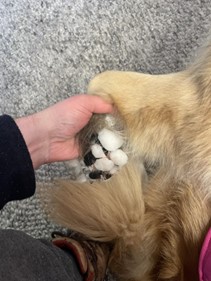
Protect their paws: If you have been on an icy walk, it is a good idea to dry the fur and paws as soon as you are back. Leftover salt, ice and moisture can irritate their skin.
Cosy beds: keep any beds away from drafts and cold floors but ensure they will not overheat from being right next to a radiator! Extra blankets under the beds can help to hold the heat!
Hazards to be aware of:
Antifreeze: Ethylene glycol (antifreeze) is highly toxic and attractive to pets due to its sweet taste. This is especially a hazard for cats that may seek shelter under cars. Contact your vets immediately if you suspect your dog or cat have ingested it.
Paw problems: Snow and ice can ball up in fur and salt/grit can cause cracks or sores.
Frozen water: thin ice on ponds and lakes can break, so always best to keep pets on the lead to prevent hypothermia or drowning!
Darkness: poor visibility increases risk of road accidents so use of reflective gear can be useful.
Let’s not forget our small furries
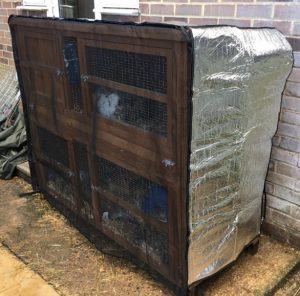
Rabbits and guinea pigs can really struggle with dropping temperatures and so it’s important to provide extra warmth and insulation to those outside. This may mean thinking about moving hutches to a more sheltered spot like sheds or garages. Water bottles can easily get frozen so it’s important to check this regular and provide a cover if possible. Add lots of extra bedding like hay and cover the hutches overnight (allowing for some ventilation!).
For indoor small furries, keep cages away from windows, cold floors and doors where there are draughts, but also avoiding close proximity to radiators!
Even there are added risks to the cold weather, it doesn’t mean our pets can’t have some fun too! They love to enjoy new scents, textures and opportunities to play (some may just prefer to watch it from indoors rather than be out in it- not too dislike us!)
